3PL Returns Management: Turn Returns into Profit in 2026
If you are an ecommerce brand drowning in customer returns, a dedicated 3PL returns management partner is not a luxury, it is a survival strategy. The numbers are frankly absurd. US retail returns hit $890 billion in 2024, and the average ecommerce return rate is forecast to hover between 19 and 20.5 per cent across all product categories by the end of this year. For apparel brands, that figure can climb toward 40 per cent, which is less a statistic and more a cry for help. By the end of this article, you will know exactly how a 3PL can fix your broken returns process, how fast it should be happening, and why a WMS like Mintsoft is the secret weapon you did not know you needed. We are talking about turning a logistical migraine into something that actually builds customer loyalty and recovers value, without you having to micromanage a warehouse team that would rather be doing anything else.
Table of Contents
-
Why Your In-House Returns Process is Costing You More Than You Think
-
The Mintsoft Difference: Why Your WMS Should Not Be a Square Peg in a Round Hole
-
How to Choose a 3PL for Returns Management: The 2026 Checklist
Why Your In-House Returns Process is Costing You More Than You Think
Let us start with the brutal maths of 2026. The average retailer incurs £165 million in retail returns for every £1 billion in sales. That is not a typo. And managing those returns typically requires more than twice the labour of outbound fulfilment. Your warehouse team probably hates returns more than you do, and frankly, they have good reason. Every returned item demands individual attention: open the box, check the contents, inspect the condition, decide what to do with it, repackage it, and update the system. Outbound fulfilment is a production line. Returns are a detective investigation, one item at a time.
Then there is the inventory black hole, a phrase that sounds dramatic until you live through it. Products that are returned but not yet scanned back into your system are dead stock. They sit on a shelf in limbo, not available for sale, not accounted for in your reordering calculations. You might order more stock you do not need because your system says you are running low, when in reality you have perfectly good units gathering dust in the returns corner. That is cash tied up in cardboard boxes while you pay for replacement inventory you did not actually need.

The customer experience trap is equally painful. A full 81 per cent of shoppers review your return policy before making a purchase. If your process is clunky, slow, or opaque, they will not buy from you in the first place. And if they do buy and then suffer through a painful return, they will not come back. A bad returns experience kills repeat purchases faster than a bad product, because at least a bad product feels like an accident. A bad returns process feels like you do not care.
Here in the UK, the challenge is compounded by carrier costs and seasonal spikes. Return rates jump 17 per cent above the annual average during the holiday season. That January wave of unwanted gifts hits your warehouse when your team is already exhausted from the Christmas rush. If your in-house process is creaking in August, it will collapse in January.
The 3PL Returns Process: A Step-by-Step Workflow
Understanding the mechanics of 3PL returns management helps you evaluate whether a potential partner actually knows what they are doing. The workflow is methodical, and every step matters.
RMA generation and customer communication is the digital front door. The 3PL handles this through an integrated portal. The customer requests a return, the system generates a return merchandise authorisation number and a shipping label, and your ecommerce platform gets a notification that a return is inbound. This sounds simple, but the difference between a clunky RMA process and a smooth one is the difference between a customer who grumbles and a customer who leaves a one-star review.
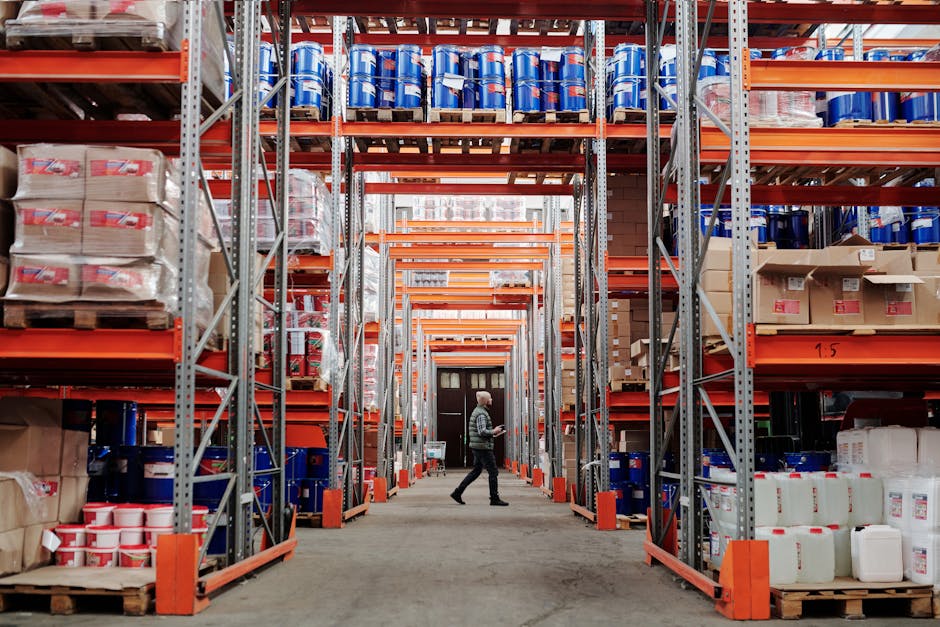
Intake and inspection is where the real work begins. The returned parcel arrives at the 3PL dock, gets scanned into the system, and moves to an inspection station. A trained operative opens the box and grades the contents. Is the item as new, still in its original packaging? Has the packaging been damaged but the product is fine? Has the item been used, and if so, is it suitable for refurbishment or is it beyond repair? This is where a modern WMS like Mintsoft earns its keep. Rather than relying on a warehouse operative to remember twenty different disposition rules, the system prompts the correct decision based on pre-configured logic. Scan the barcode, answer a few guided questions, and the WMS tells you what to do next.
Disposition execution follows immediately. Items graded as new are routed back to pickable stock. Items with damaged packaging might go to a discount sale channel. Used but functional items might head to refurbishment. Genuinely unsellable items get sorted for recycling or responsible disposal. The 3PL executes the fastest route to value recovery, and the WMS tracks every movement.
The refund or replacement trigger is the final step. The moment inspection is complete and the disposition is logged, the system fires a signal to your ecommerce platform to release the refund or ship the exchange. The customer gets their money back or their replacement item, and you do not have to lift a finger. This is the moment where a good 3PL makes you look like a hero.
Bulk vs. Ecommerce Returns: Why One Size Does Not Fit All
Not all returns are created equal, and a 3PL that handles only one type will struggle with the other. The distinction between bulk and ecommerce returns is fundamental.
Bulk returns are a B2B affair. Think pallets of goods coming back from a retailer who over-ordered, or a wholesale customer who changed their mind. The process is about quantity, batch inspection, and credit notes. You are not inspecting individual units for pilling on a jumper. You are checking that the pallet contains what the paperwork says it contains, that the outer cartons are intact, and that the batch matches the original shipment. Speed matters, but accuracy on the bulk credit is king. Get the credit note wrong and you have an accounting headache that takes weeks to untangle.
Ecommerce returns are the opposite. This is the one-of-everything problem. A single customer returns a single item, and the next return is a completely different SKU from a different category. High variability, single-item inspection, and the absolute need for speed to keep the customer happy. This is where the labour cost spikes, because you cannot batch-process anything. Every return is a unique little puzzle.
Many UK brands do both, and the hybrid challenge is real. A good 3PL must have a WMS that can toggle between scan the pallet mode and inspect the jumper for pilling mode without missing a beat. Bulk returns are a spreadsheet problem. Ecommerce returns are a relationship problem. You need a 3PL that speaks both languages fluently.
The Mintsoft Difference: Why Your WMS Should Not Be a Square Peg in a Round Hole
There is an ongoing industry debate about whether a traditional warehouse management system can handle returns properly, or whether you need a dedicated returns management system. The argument, articulated well in Optoro’s playbook, is that WMS platforms were designed in the 1970s for outbound fulfilment and are fundamentally inadequate for the reverse flow. There is truth in that. But for UK SMEs, a modern, flexible WMS like Mintsoft bridges the gap beautifully, and here is why.
Real-time inventory sync is the black hole fix. When Mintsoft processes a return and grades the item as restockable, that stock is instantly available for sale again on your website. No lag, no manual spreadsheet update, no lost sales because a unit sat in limbo for four days while someone remembered to update Shopify. The moment the inspection is complete, the virtual shelf is restocked. That is cash flow you can feel.
Automated disposition rules remove the guesswork. You configure the logic once: if the item is Category A and the condition is damaged box, mark for discount sale. If the item is Category B and the condition is used, route to refurbishment. Mintsoft does the thinking, and the warehouse operative follows the prompt. This eliminates the risk of a tired team member making a bad call on a Friday afternoon and accidentally restocking a used item as new.
The integration ecosystem is the final piece. Mintsoft connects with over 50 platforms, including Shopify, WooCommerce, and Magento. Your 3PL is not just a warehouse with shelves and people. It is a software extension of your brand, plugged directly into your sales channels. When a return is processed in the warehouse, your ecommerce platform knows about it in real time. When a customer asks where their refund is, your customer service team can see the exact status without emailing the warehouse and waiting three days for a reply.
What Are Acceptable Timelines? The SLA You Should Demand
If you take nothing else from this article, take this: speed matters, and you should hold your 3PL to measurable standards. Here are the timelines that define a competent returns operation in 2026.
The unpack and inspect SLA should be 24 to 48 hours from delivery to the 3PL dock. That means the parcel is received, opened, inspected, and graded within two working days. Anything slower creates a customer service nightmare, because the customer is watching their tracking number and wondering why their refund has not appeared. If your current 3PL takes a week to process a return, they are not managing your inventory. They are holding it hostage.
The restock SLA targets items that are graded as new. These should be back on the virtual shelf and available for purchase within 48 to 72 hours of arrival. This is the metric that directly impacts your cash flow. Every day a returnable item sits in a processing queue is a day you cannot sell it. During peak season, when demand is high, that delay costs you real money.
The refund trigger SLA is the one your customers actually feel. The moment the inspection is complete and the disposition is logged, the refund signal should fire to your ecommerce platform within two hours. The customer does not care about your warehouse process. They care about their money. A fast refund turns a potentially negative experience into a neutral or even positive one. A slow refund guarantees they will think twice before ordering again.
These are not aspirational targets. They are the baseline for professional 3PL returns management in the UK market. If a prospective partner cannot commit to these numbers in writing, keep looking.
How to Choose a 3PL for Returns Management: The 2026 Checklist
Selecting a 3PL for returns management is not the same as selecting one for outbound fulfilment. The skill set is different, the technology requirements are different, and the stakes for customer experience are higher. Here is what to look for.
Technology comes first. Ask whether they use a modern WMS like Mintsoft or a legacy system that requires workarounds. Ask to see the returns dashboard during a site visit or a video call. If they cannot show you a real-time view of returns in progress, with statuses and dispositions clearly visible, they are operating on spreadsheets and hope. That is not good enough.
Disposition flexibility matters more than you think. Can the 3PL handle refurbishment, or do they only restock and dispose? Can they manage donations to charity partners if that aligns with your brand values? Can they liquidate stock through secondary channels? A 3PL that throws everything in a bin is leaving money on the table, your money.
Reporting and visibility turn returns from a cost centre into a business intelligence asset. You need to know why items are being returned. Is there a sizing issue with a particular product line? Is a specific batch showing a higher defect rate? A good 3PL provides data, not just boxes. That data helps you fix the root causes and reduce your return rate over time.
UK carrier relationships are a practical necessity. Does the 3PL have negotiated rates for return labels with Royal Mail, Evri, DPD, or other major carriers? The cost of return shipping is a significant line item, especially if you offer free returns, which 82 per cent of consumers say is an important consideration. Better rates mean better margins.
Scalability is the final test. Can the 3PL handle the 17 per cent holiday spike without falling over? Ask for their peak-season contingency plan. Do they bring in temporary staff? Do they have overflow warehouse space? What is their track record from previous peak seasons? A 3PL that performs beautifully in March but collapses in January is not a partner. It is a liability.
Conclusion: Stop Treating Returns as a Tax on Your Business
Returns are going to happen. Your customers are going to change their minds, order the wrong size, or receive a gift they secretly hate. The only question is whether you let that process ruin your day, or let a 3PL fix it while you sleep. Outsourcing to a partner with the right technology, clear SLAs, and the flexibility to handle both bulk and ecommerce returns turns a cost centre into a loyalty driver. A customer who experiences a smooth, fast return is more likely to buy from you again than a customer who never returned anything at all, because they now trust that you will look after them if something goes wrong. If you are ready to stop losing money on returns and start recovering value, talk to CBF Fulfilment. We will handle the mess. You handle the growth.

Looking for a Reliable Fulfilment Partner?
Whether you're sending 1,000 items or managing ongoing fulfilment requirements, we're here to help.