Guide to Choosing a 3PL E-commerce Fulfilment Supplier in the UK
Selecting the right third-party logistics (3PL) partner is crucial for the success of your e-commerce business.
A reliable 3PL supplier can enhance your customer experience, streamline your operations, and support your business growth. Here is what to look for and ask about when looking for a 3PL e-commerce fulfilment supplier like us at CBF.
- Understanding 3PL Services and rolls to support your business
A 3PL provider offers outsourced logistics services, which include warehousing, inventory management, order fulfilment, shipping, and returns processing. Utilising a 3PL allows businesses to outsource functions to support their distribution networks and ecommerce sales channel so that you can focus on core activities like marketing and product development, while experts like CBF handle the packing and logistics.
What does a 3PL do?
Warehousing: Storage of your inventory in strategic locations to optimise delivery times across the UK, Europe and Worldwide.
Inventory Management: Tracking stock levels, manage batch information, quality control from manufacturers and inventory accuracy usually via online tools for you to have exposure too all data you need to keep stock flowing correctly.
Order Fulfilment: Picking, packing, and shipping orders to customers the way you want your customer to receive their orders.
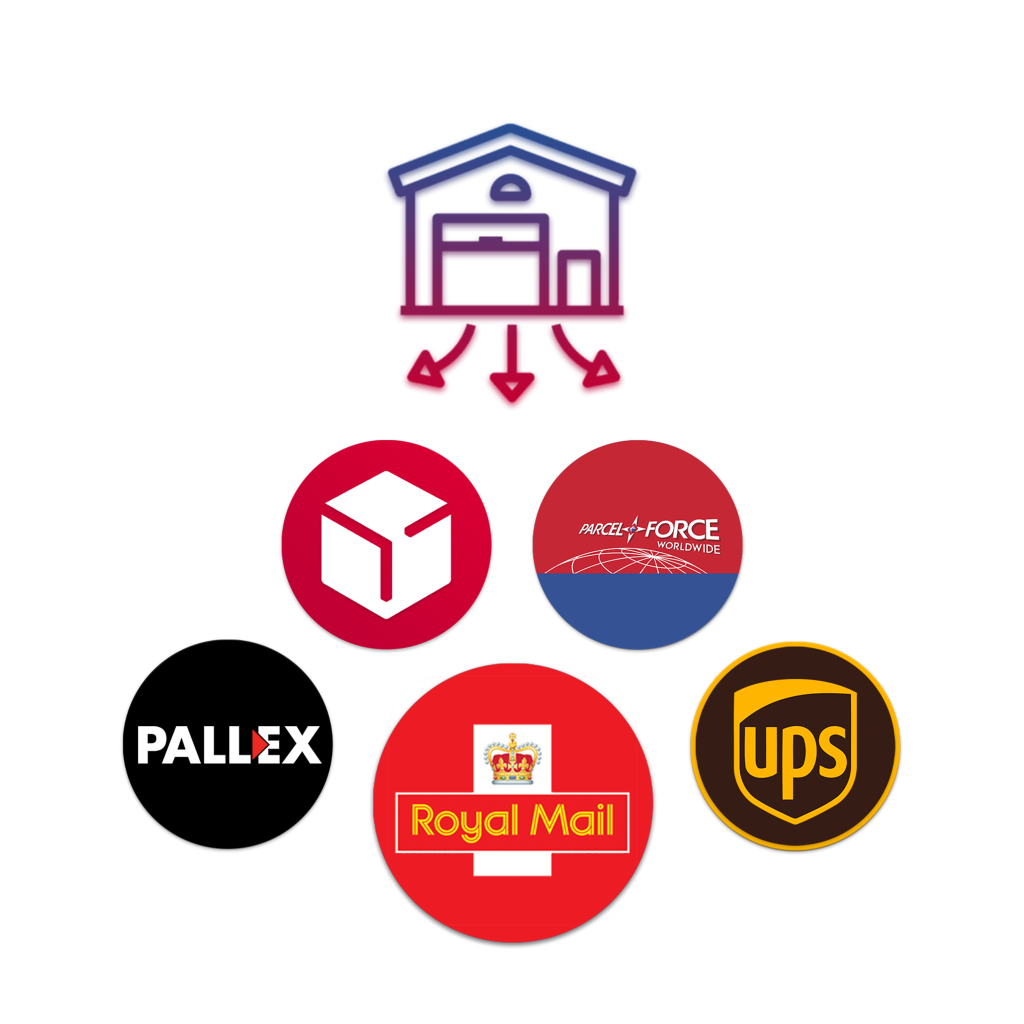
Shipping and Freight: Arranging transportation and delivery services either using your or the 3PL’s courier and Royal Mail accounts.
Returns Processing: Handling returns, restocking, and customer refunds.
- How do you assess your business needs for a 3PL?
Your Order Volume and Frequency
All 3PL providers should be able to scale to manage your average order volumes, seasonality and peak times requirements. This helps in assessing the capacity requirements of a 3PL provider and ensures they can handle your business fluctuations.
Your 3PL provider should be able to cope with increases in stock holdings at your peak times as well as the ability to manage your expectations around the release of orders so that you can communicate to your clients eliminating any recourse and additional customer service resources.
Product Types and Special Requirements
Consider the nature of your products. Are they perishable, fragile, or oversized? Do they require special handling, packaging, or storage conditions? Your 3PL provider should be able to look after your stock to maintain all quality, temperature and located in places so that it is efficient when picking to process orders.
Budget Constraints
Define your budget for logistics services. While cost is important, balance it against the quality of service and potential benefits a 3PL can bring to your business. Small and light products will take less time to pick and pack than larger bulker items. So expect a larger picking fee for the more time involved in processing your orders.
Your 3PL should be able to work with you to manage your cost expectations, but as you will appreciate, their overheads are fixed and usually built around a ‘volume of orders’ model.
If you were going to have a warehouse, staff and all overheads with the infostructure required to run your own order processing, you will quickly see that the 3PL model provides good value for money and mental peace when you find the right partner.
- Key Factors to Consider with all 3PLs
Location and Coverage
Choose a 3PL with warehouse locations that align with your target markets. This reduces shipping times and costs and enhances customer satisfaction. Although warehouse location is not business critical for a UK market as the carrier networks are able to deliver to most locations the next day. If you are shipping to locations like North America, Europe, Asia and Australia you would be wise to build your client base and look at the cost viability of having stock laded in a location closer to your target audience. As we are all aware, cashflow is everything and locating stock in more than one location can prove to be hampering to the business. Talk to your 3PL about their experiences and see if they can offer any advice.
Technology and Integration
Evaluate the 3PL’s technology infrastructure. They should offer robust warehouse management systems (WMS), order management systems (OMS), and seamless integration with your e-commerce platform. You need to be able to see live inventory numbers as well as live order processing status with the ability to change and communicate about each order as the process happens.
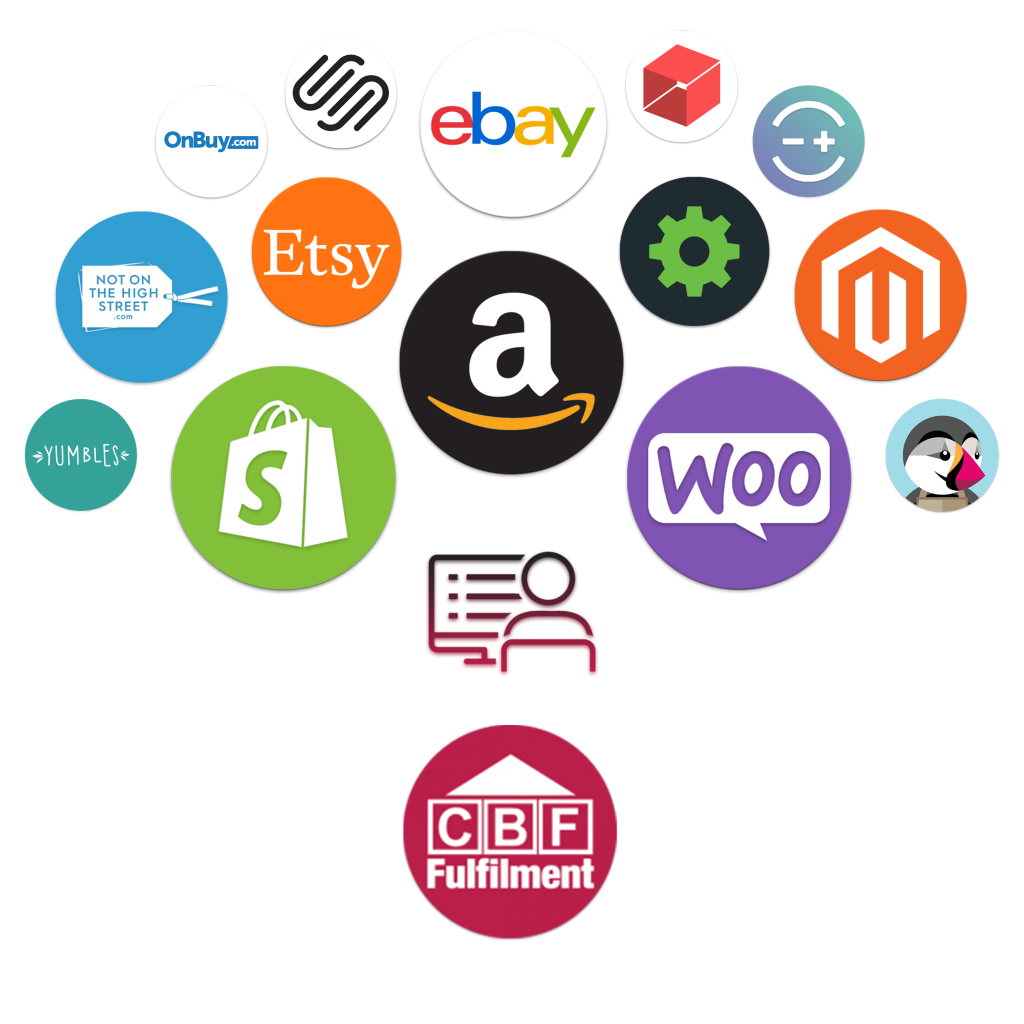
Be aware that most online management tools have no limits on user licenses and prebuild API’s that will seamlessly integrate into your sales channels, marketplaces and platforms. They do not usually cost the license holder (in most cases) anything other than time to setup, so do not be fooled at charges that are needless.
Scalability
Ensure your 3PL can scale their services as your business grows. This includes handling higher order volumes, adding new product lines, and expanding into new markets. This can be a deal breaker when we talk to new clients. A lot of 3PL’s will force clients to use specific packaging and will add charges to cover infrastructure costs when orders fall to lower than expected levels.
Most sectors have seasonal changes. Christmas is the obvious one, but make sure your 3PL knows the flow that’s expected.
Customer Service and Support
Customer service is critical. The 3PL should provide dedicated support, quick response times, and effective issue resolution.
Experience and Reputation
Research the 3PL’s experience in your industry and their reputation. Look for reviews, testimonials, and case studies to gauge their performance and reliability.
Pricing Structure
Understand the 3PL’s pricing model. Common structures include per-order fees, storage fees, and additional service charges. Make sure there are no hidden costs.
- Evaluating Potential Suppliers
Research and Shortlisting
Conduct thorough research to identify potential 3PL partners. Use online reviews, industry forums, and professional networks to create a shortlist of candidates.
Request for Proposals (RFPs)
Send RFPs to shortlisted 3PLs outlining your requirements. Compare their responses based on capabilities, pricing, and service levels.
Site Visits and Meetings
Visit the 3PL’s facilities to assess their operations firsthand. Meet with their team to discuss your needs and gauge their understanding and commitment.
Case Studies and References
Request case studies and client references to understand the 3PL’s track record. Speak with their clients to get honest feedback on their performance.
- Making the Final Decision
Comparison and Analysis
Compare the shortlisted 3PLs based on the gathered information. Consider factors like service quality, cost, technology, and scalability.
Contract Negotiation
Negotiate terms that align with your business goals. Ensure the contract covers service levels, pricing, performance metrics, and termination clauses.
Implementation and Onboarding
Plan a detailed onboarding process. This includes system integration, inventory transfer, and staff training to ensure a smooth transition.
- Maintaining the Relationship
Performance Monitoring
Regularly monitor the 3PL’s performance against agreed metrics. Use KPIs like order accuracy, delivery times, and inventory accuracy to assess their service.
Regular Reviews and Communication
Schedule regular review meetings to discuss performance, address issues, and explore opportunities for improvement and innovation.
Handling Issues and Disputes
Establish a clear process for handling issues and disputes. Maintain open communication to resolve problems quickly and maintain a strong partnership.
Choosing the right 3PL e-commerce fulfilment supplier involves careful planning and evaluation. By understanding your business needs, assessing key factors, and maintaining a strong relationship with your 3PL partner, you can ensure a seamless logistics operation that supports your business growth and enhances customer satisfaction.
Simplicity in Process.
All in the Preparation.
One of the great benefits of pre-prepping your products with SKU specific barcode labels and in postage ready packaging means very quick turn around from orders appearing on our system to being turned around and sent out the door to your customers.
As part of our contract packing and kit build Team, this is something we have helped facilitate for a number of our clients. We process orders for multi-site retailers, FBA and to help support your own sales channels.
Free API Integrations for all your Shopping and Courier Channels
Your 3PL Ecommerce Fulfilment, Distribution Centre and Contract Packing partner. Planned, Integrated, Packed and Delivered.
T: 01242 802140
CBF Fulfilment
1-11 Alvin Street
Gloucester
GL1 3EJ
UNITED KINGDOM